
Automatic Analysis and Mixing Systems
National Machine Products is a provider of innovative solutions for industrial liquid management. The Industry 4.0 system, created by the D&P Group, is equipped with real-time analysis to minimize management and maintenance time, thus providing greater efficiency and cost savings for industrial operations.
These systems are designed with high-tech programming, ensuring a high level of accuracy in monitoring and controlling industrial liquid levels. This allows for proactive maintenance and more effective resource allocation, reducing downtime and increasing productivity. Whether you're looking to optimize your operations, improve safety, or minimize waste, National has your solution for coolant management systems.
Features
- Maintains set fluid parameters on each machine
- The parameters of each machine tool can be customized according to the needs of the machining process
- Capable of handling different concentrates (oils, additives, water, stabilizers, etc.)
- Customer support via remote access worldwide
- Data storage on a dedicated server for 10 years
- Continuous analysis of the use, consumption, and parameters of the managed liquids
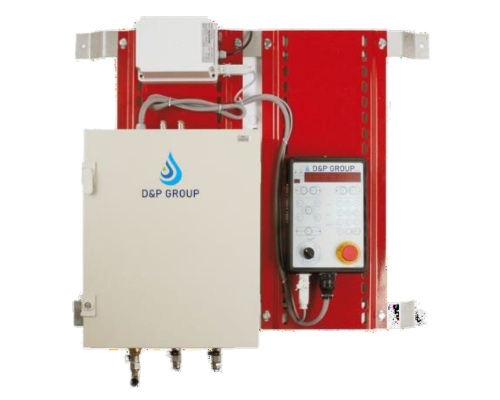
Automatic Mixing System
DEPMIX Series
The DEPMIX Series relies on proportional dosing, regulated by two solenoid valves to mix two fluids. Its electronic control unit precisely manages two pulse-emitting meters, ensuring a constant balance based on customer-specific percentage settings.
- Percentages ranges from 0.5% - 50%
- Max Operating Flow: 9 GPM
- Max 8 machines each module (availability to add modules)
- Constant concentrations with possibility of storing and managing 8 different mixing percentages
- Accuracy: +/- 0.5%
- Manual dosing in pre-selected quantities with keyboard control or automatic dosing with call triggered by min/max. level sensors
- Dispensing gun available on request
- H24/7 system or by timer from a minimum of 1 minute up to 12 hours
- Stop of pumps by level sensor when the minimum level is reached in the drums of the products to be mixed
- Monitoring by print reports executable at any time to compare actual dosage with set values of all set refilling
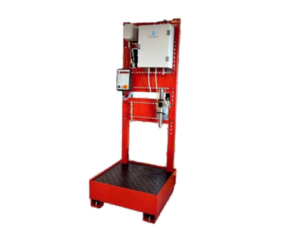 The kit is composed by:
- Mixing unit with keypad
- Transformer / stabilizer 110 VAC –24 VDC for the power supply
- 1:1 – pneumatic pump
- Fixing frame with safety tank
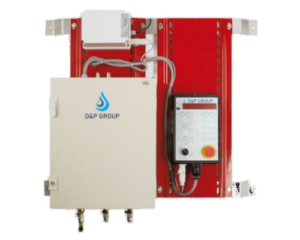
The kit is composed by:
- Mixing unit with keypad
- Wall mounting bracket
- Transformer / stabilizer 110 VAC –24 VDC for the power supply
- 1:1 – pneumatic pump
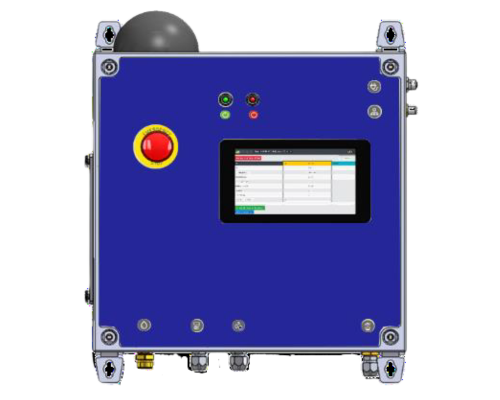
Analysis System
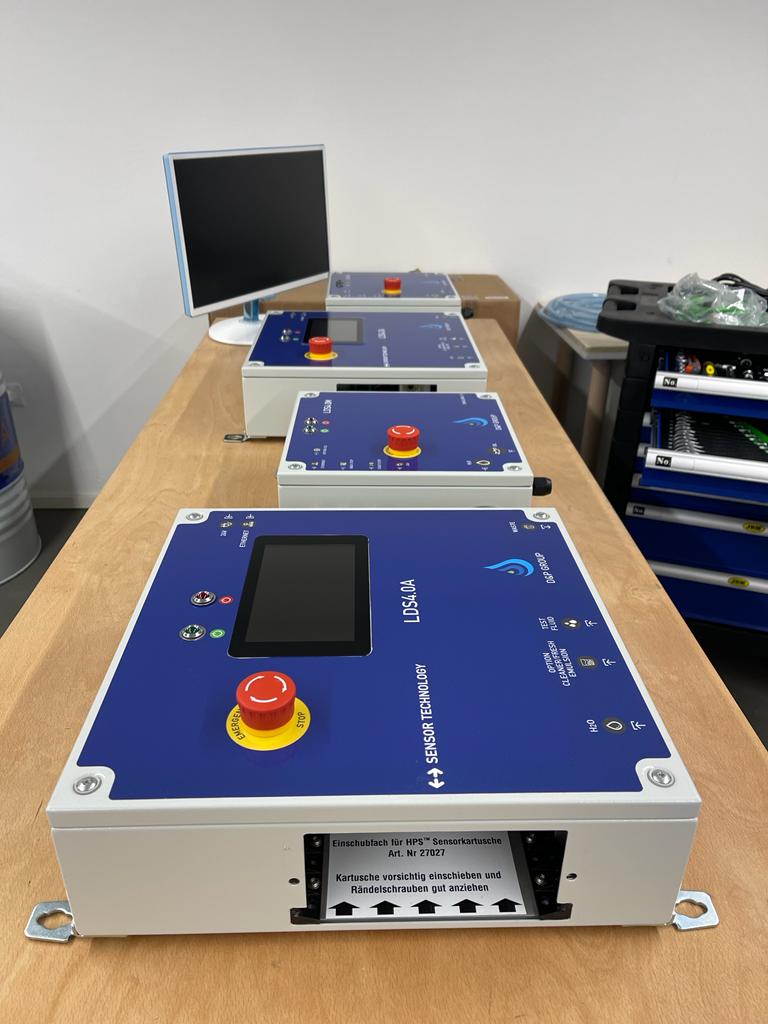
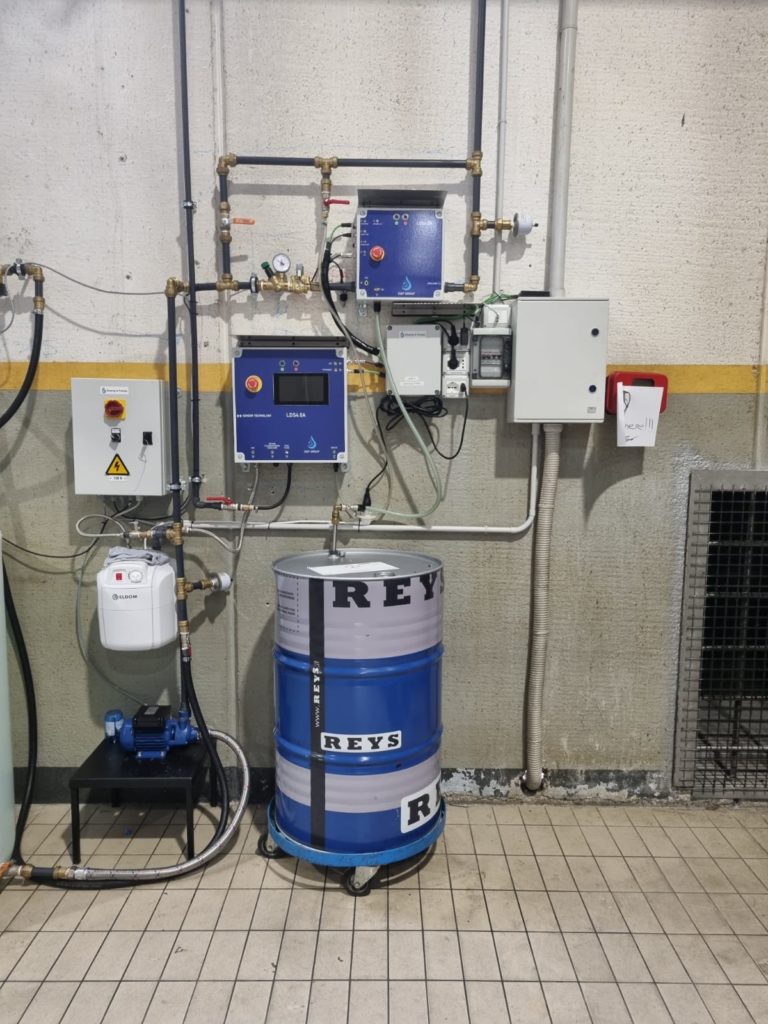
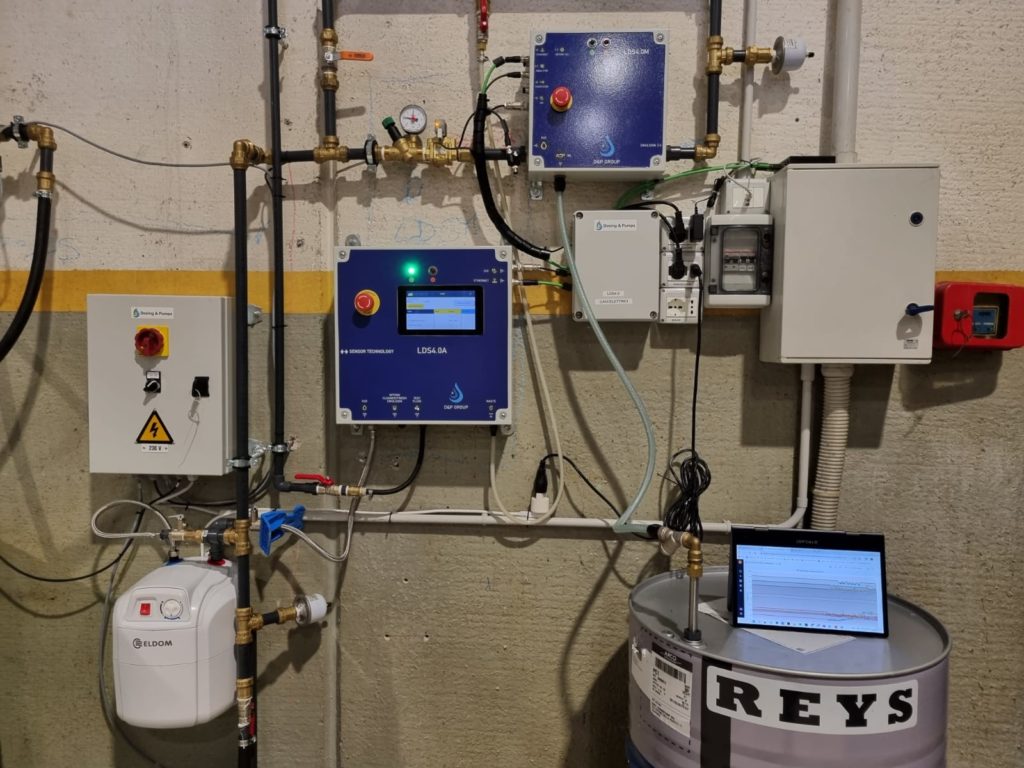
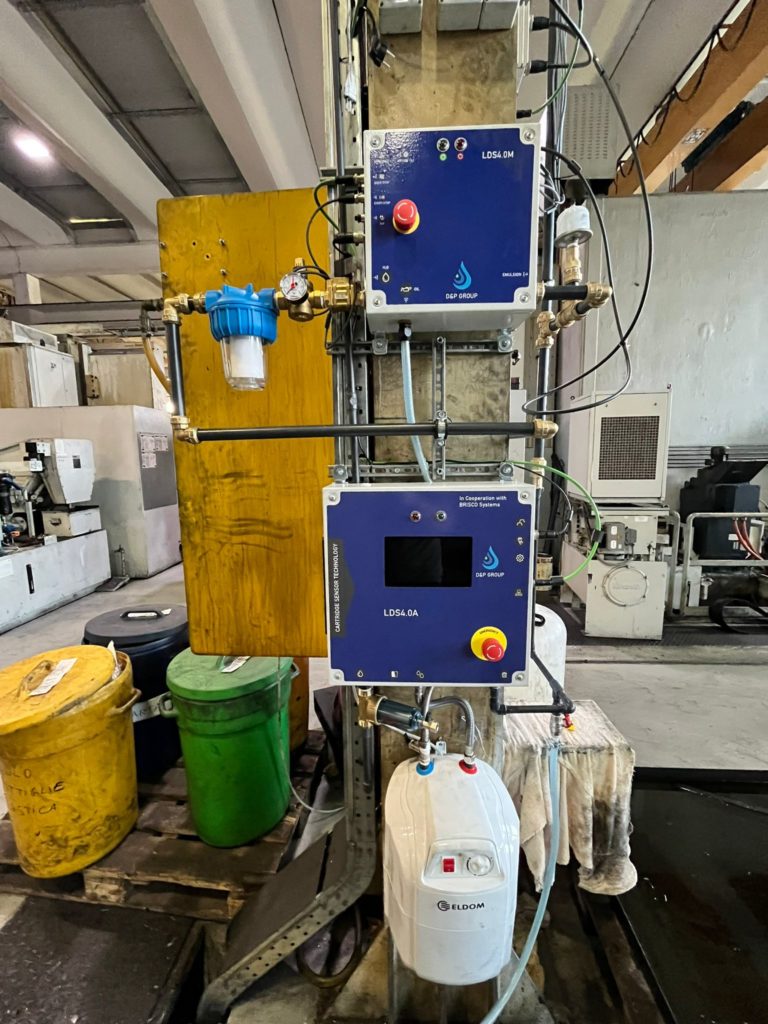
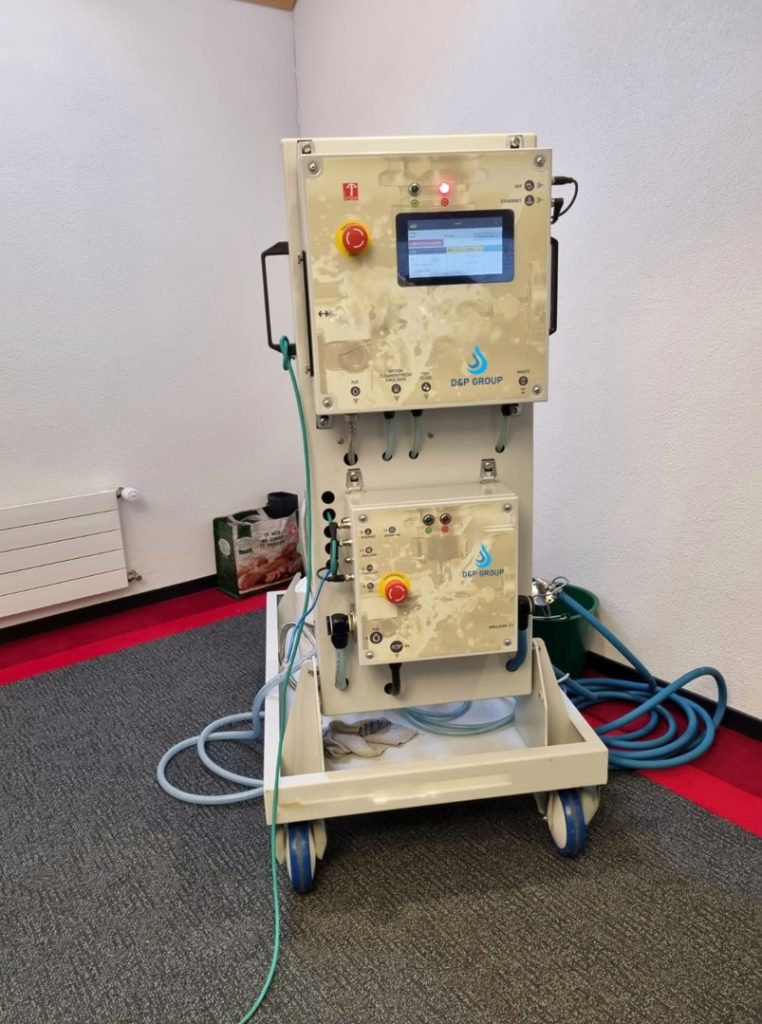
LDS4.0A
- Fully automatic measurement, analysis, alarm, and post-adjustment of the coolant
- Real-time measurement (from 10 minutes)
- Early detection of bacterial growth
- Quick and easy installation
- Access to the analysis portal (Wi-Fi or LAN)
- Interfaces for integration into third-party systems
Applications: centralized tank, single tank, and multi-tank with tank volume from 100L to 200L.
The LDS4.0A measures the coolant from different tanks, filling up to 100 tanks.
- Concentration
- pH
- Conductivity
- Temperature
- Bacterial growth
- Nitrites NO2 * (semi-automatic)
- Concentration
- pH
- Conductivity
- Temperature
- Water hardness
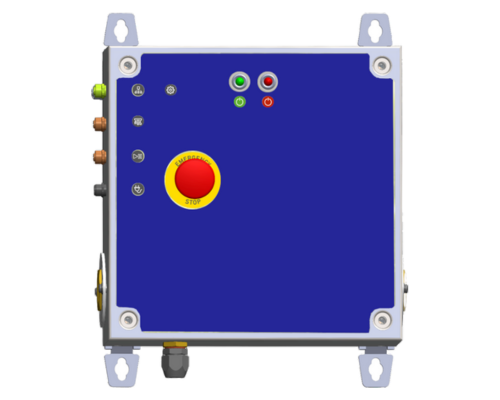
Mixing System
LDS4.0M
- Identify coolant trends/problems at an early age
- Automation of manual processes
- Stabilization of production processes
- Extend the life of machines, tools, and coolant
- Improve the surface quality
- Easy installation and operation
- Not affected by water parameters (flow and pressure)
- Dosing accuracy: ±0.1%
- Emulsion sump/tank level sensor (cable and/or wireless)*
*On request raw oil barrel level sensor
Product Installation Success: LRS4.0
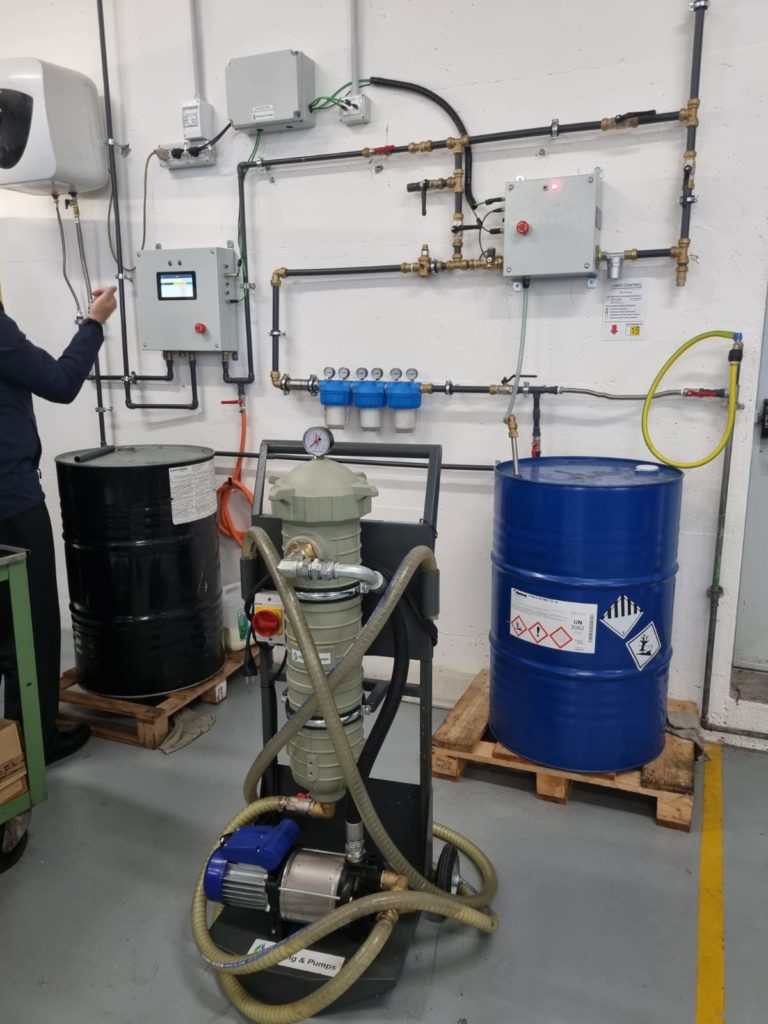
The installation of the LRS4.0 system, equipped with Dosing & Pumps' oil separation technology and an automatic system managing 52 sumps, has transformed this customer's metalworking operations.
By automating coolant recycling and sump maintenance, the system delivers remarkable reductions in coolant oil usage, labor requirements for sump upkeep, disposal costs, and water usage, enhancing operational efficiency and sustainability.
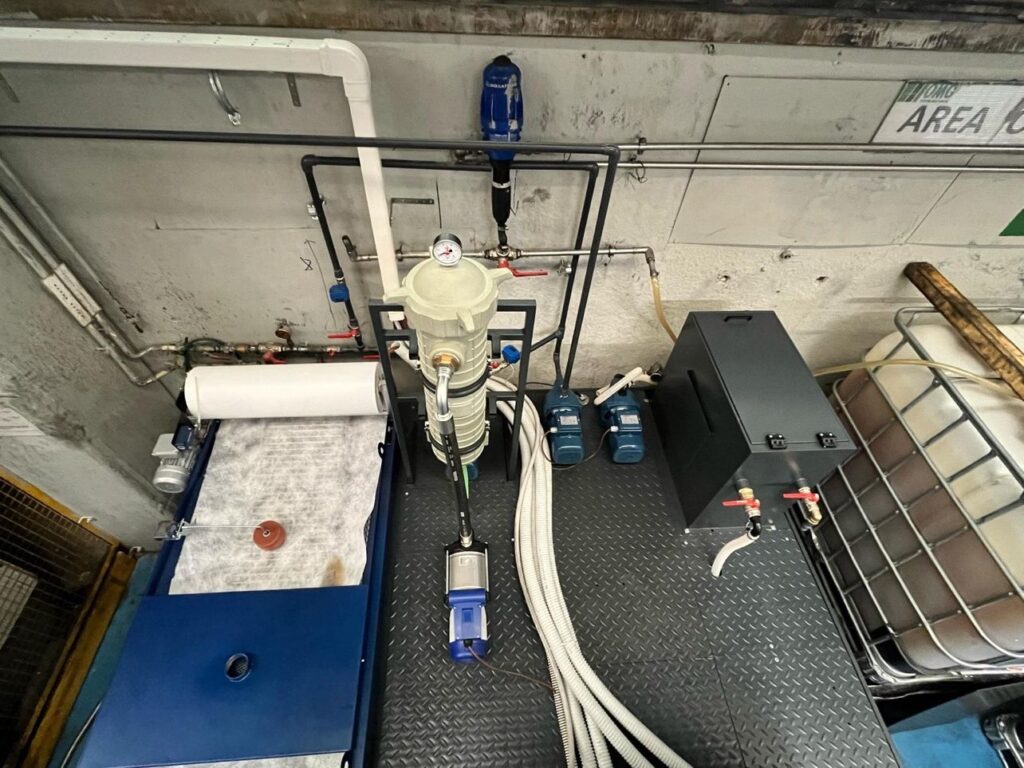
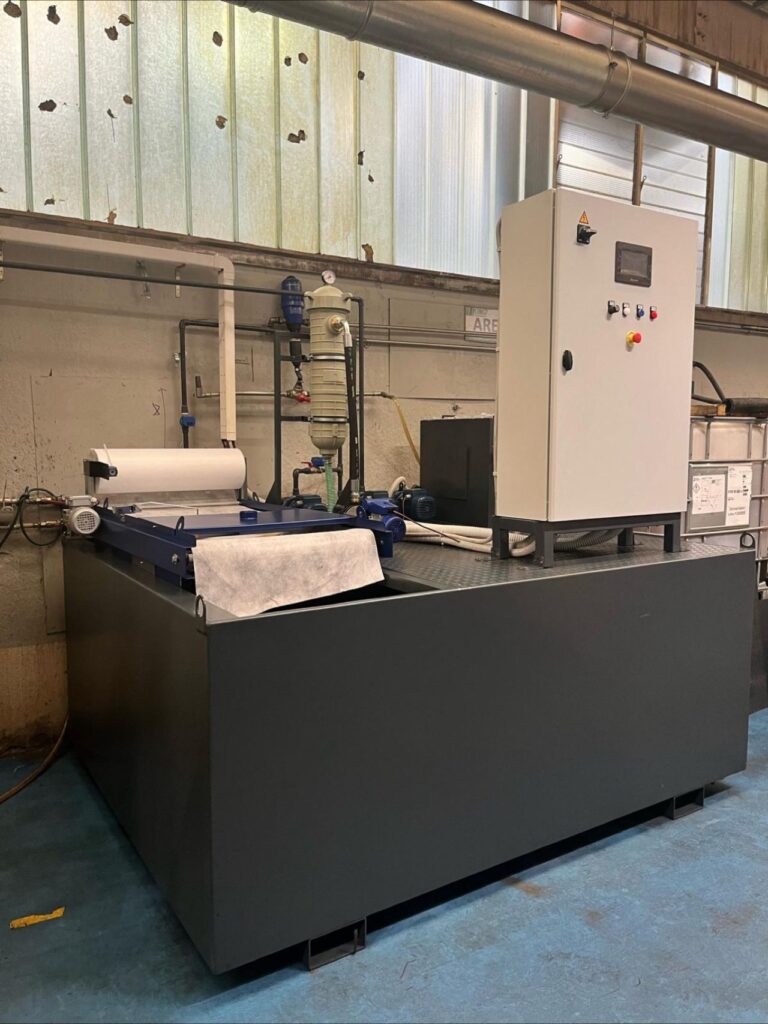
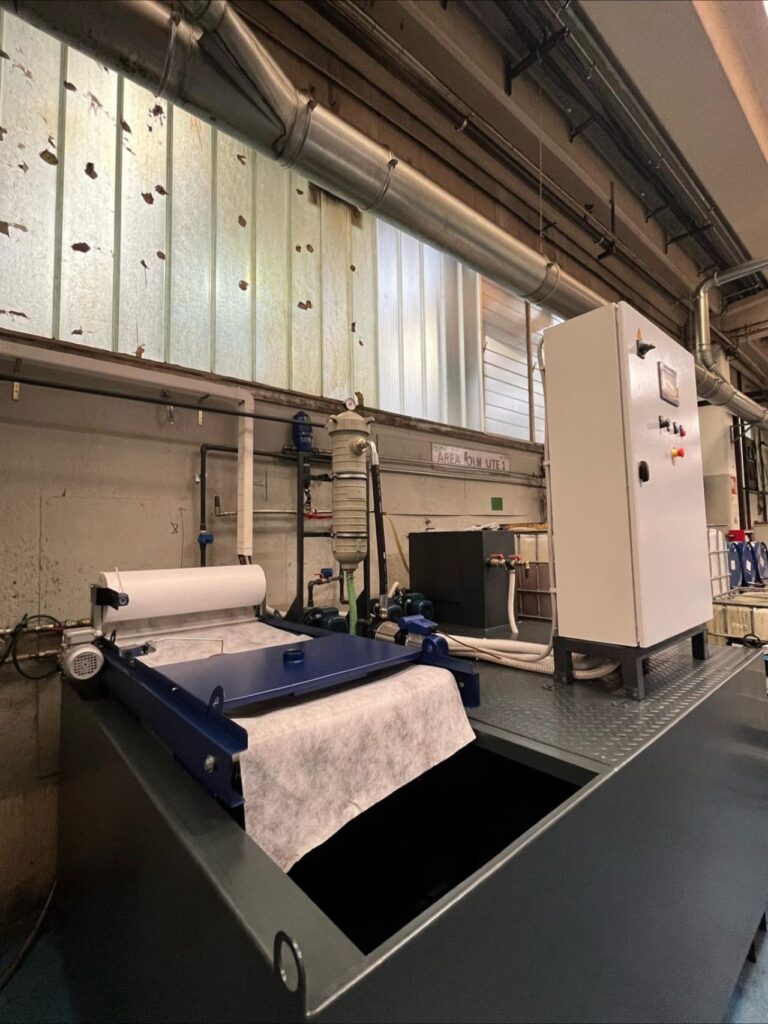
Automated Coolant Management: Transforming CNC Operations with Dosing & Pumps
Automatic Parameter Correction
When the software receives the alerts on the parameters to be corrected, it starts the mixing pumps and opens the solenoid valves connected to the water system to quickly correct the out-of-scale parameters.
Failure Prevention
Thanks to the prompt correction of the parameters, premature wear of machine tools, machine stoppage, and the costly maintenance are avoided.

Want to Learn More?
Contact us today to discuss your machine tool accessories needs.